An electromagnetic mass driver is, in essence, a very long magnetic track that accelerates a payload to high speed along its length and then releases it — launching cargo using nothing but electricity. No onboard fuel, no combustion, no rocket in the usual sense.
On Earth this runs into hard physics. To reach escape velocity while keeping the acceleration gentle enough not to destroy the cargo, the track would have to be impractically, almost comically, long, and the planet's thick atmosphere fights the payload the whole way up.
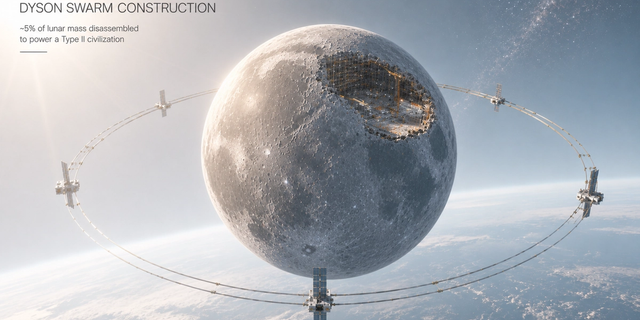
On the Moon the same idea turns reasonable. Gravity is about a sixth of Earth's and there is no atmosphere to push against, so a track of buildable length could accelerate payloads to the speed they need and let go. The electricity to run it can come from solar panels.
The appeal is cost. Launching material from the Moon without burning fuel each time could drop the price per kilogram dramatically — which is exactly what you would need if the Moon is ever to act as a staging post for building and supplying missions deeper into the solar system.