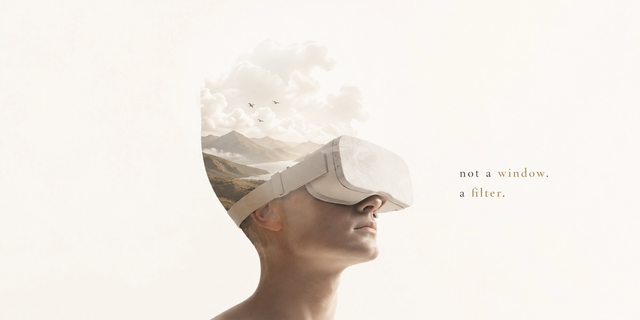
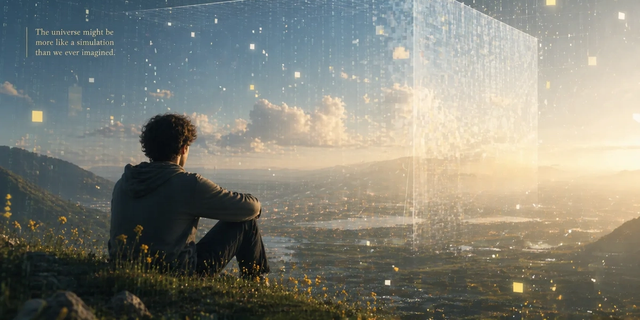
The simulation hypothesis is the idea that the reality we experience might be a computed one, run by some more advanced intelligence. Its best-known form is Nick Bostrom's 2003 argument, which doesn't claim we are simulated — it claims that at least one of three things is true: civilisations almost always die before they can run such simulations; or they can but almost never choose to; or we are almost certainly living in one.
The logic is statistical, not physical. If even a few civilisations run many detailed simulations containing conscious minds, simulated minds would vastly outnumber the original "base reality" ones — and you have no way to tell which kind you are. The reasoning is genuinely clever, and it predates any of the quantum results the article discusses.
Here's where care matters. "We behave as if in a simulation" and "we are almost certainly in a simulation" are different claims, and the loud version — the one-in-a-billion odds you'll hear quoted — treats one branch of Bostrom's careful trilemma as a settled conclusion. It isn't. The argument is a fork in the road, not an arrow pointing one way.
For a reader, the value isn't in reaching a verdict. It's in noticing how a tidy chain of plausible steps can deliver an extraordinary conclusion that feels more certain than it is. The simulation hypothesis is worth taking seriously and worth holding loosely — which, conveniently, is true of a great deal in this whole subject.